





Where to See Wildlife in Banff & Canmore
The Canadian Rockies are home to countless wild animals, but visitors won’t necessarily see them unless they know where to see wildlife in Canmore. Bears, elk, deer, bighorn sheep and many other animals are all active in the fall, making it a great time to visit the area for wildlife enthusiasts.
Here, we’ll unpack where to see wildlife in Banff and Canmore safely, whether you’re a hiker or looking to see animals from the comfort of your car.
Key Takeaways
- Fall is prime wildlife season in Banff and Canmore, bears are feeding heavily before hibernation, elk are in rut, and both move to lower elevations as temperatures drop up top, putting them within easy viewing range.
- You don't need to hike to see wildlife: driving routes like the Bow Valley Parkway, Highway 40, and Mount Norquay Road are reliable, low-effort spots to watch for elk, bears, sheep, and deer from your car.
- Keep your distance no matter what you see, Parks Canada recommends staying at least 30 metres from deer, elk, sheep, and moose, and 100 metres from bears, wolves, cougars, and coyotes.
- Elk rutting season runs late August through mid-October and makes males more aggressive, so give them extra room and carry bear spray on any hike since bears are especially active this time of year.
Why Fall Is a Prime Season for Wildlife Watching
For visitors hoping to see wildlife in Banff and Canmore, autumn may just be the best time of year to see bears, elk, birds and other animals that call the Bow Valley home. It’s an especially active time of the year for wildlife as they prepare for the long winter ahead, so visitors who know where to look have great opportunities to see animals from a safe distance.
With colder temperatures settling in higher elevations, many animals will move to lower elevations. Black and grizzly bears are both busy feeding ahead of their long winter hibernation, while elk are in rut and migratory birds fly through the area on their way south. Summer is peak tourism season in the Canadian Rockies, but visiting in the fall gives you the chance to explore less-busy trails and increases the likelihood of a wildlife encounter.
What to Look For: Key Species By Season
Fall offers amazing opportunities to see wildlife in the Canadian Rockies. Here’s some of what you may encounter during a visit to Canmore or Banff.
- Elk: Banff National Park and the Bow Valley are home to thousands of elk, and fall is rutting season. That can lead to increased aggression, so it’s important that you keep a distance of at least 50 metres, but it’s not uncommon to see elk in the townsites of both Canmore and Banff.
- Black bears and grizzly bears: September and October are busy times for bears as they bulk up for their long winter hibernation sleep. That process, known as hyperphagia, means bears will often come down the mountain to lower elevations to feast on berries. It’s important that people be “bear smart” and never approach bears in the wild.
- Bighorn sheep: The fall is rutting season for bighorn sheep, which are abundant in the areas surrounding Banff, Norquay/Sunshine Road, and Lake Minnewanka Road. They can often be seen along the sides of roadways in the region.
- Wolves: While seeing a wolf in the wild is rare around Canmore and Banff, they are present in the surrounding regions. There are 45 wolves in Banff National Park, split into five separate packs, and while you are unlikely to see them in townsites, they can be spotted along Highway 40 and the Bow Valley Parkway if you’re lucky.
- Golden eagles: These majestic eagles fly through the Bow Valley on their fall migration, making Canmore a destination for bird watchers.
- Deer: Deer are very common in the Bow Valley, and it shouldn’t be a surprise if you see a few wandering through downtown Canmore or Banff.
- Smaller wildlife: If you get out on the trails, keep an eye out for pikas and marmots as they prepare for winter.
Best Places to Spot Wildlife in the Fall
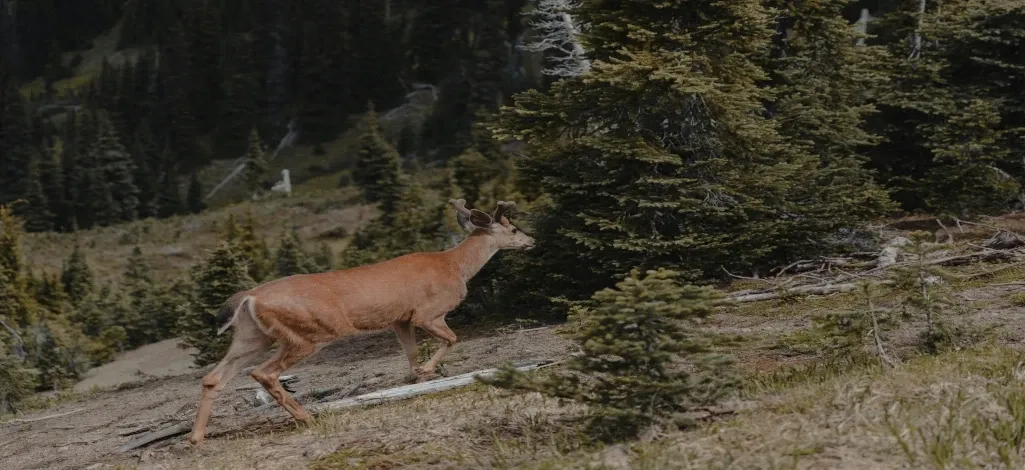
There are no guarantees when it comes to where to see wildlife in Canmore or Banff, but there are a few places where your odds are better than others. Some involve short hikes, while others are drives where wildlife can commonly be seen from the window of your car.
Bow Valley Parkway
Distance from the Coast Canmore Hotel & Conference Centre: 30.4 kilometres
The Bow Valley Parkway runs between Banff and Lake Louise and is a popular alternative to driving on the wider Trans-Canada Highway. It’s a 48-kilometre highway with lots of opportunities to pull over and take in the scenery or have a picnic, and the popular Johnston Canyon Hike is right on the side of the road. Take your time driving along the highway and keep an eye out for elk, deer, bears, wolves and coyotes. Sections of the highway are closed to motor vehicles between September 1 and October 6.
Highway 40
Distance from the Coast Canmore Hotel & Conference Centre: 25.2 kilometres
This breathtaking stretch of highway takes you through the gorgeous mountain scenery of Kananaskis Country and offers access to some of the best hiking in Canada. It’s popular in the fall for visitors seeking out golden larch trees, but its vast alpine landscapes are also home to countless animals. There are a dozen day use areas in the region where you can have a picnic or spend a day enjoying the fresh mountain air.
Mount Lorette Ponds
Distance from the Coast Canmore Hotel & Conference Centre: 47.6 kilometres
There is a short, easy 700-metre trail at Mount Lorette Ponds, but even for those who prefer not to hike, there are plenty of reasons to visit this popular destination. In the fall, it’s a popular spot to observe migratory birds flying through the eastern slopes of the Canadian Rockies. Several species of eagles are regularly spotted.
Mount Norquay Road
Distance from the Coast Canmore Hotel & Conference Centre: 25 kilometres
Mount Norquay is one of the best ski resorts in the region during the winter, and while the fall is definitely its slow season, it is still worth driving up the winding mountain road that takes you to its parking lot. You’ll get stunning views of Banff and will often see bighorn sheep, deer and elk as you make the drive.
Lake Minnewanka
Distance from the Coast Canmore Hotel & Conference Centre: 26 kilometres
Lake Minnewanka is one of the most popular destinations in Banff National Park, but there are much smaller crowds in the fall than during the peak summer tourism season. The forests around the stunning lake are home to grizzly and black bears, elk, deer, beavers, coyotes and countless smaller creatures. Booking a cruise on the lake for a Banff wildlife tour offers a unique opportunity to spot wildlife from the water.
Wildlife Safety: What Visitors Need to Know
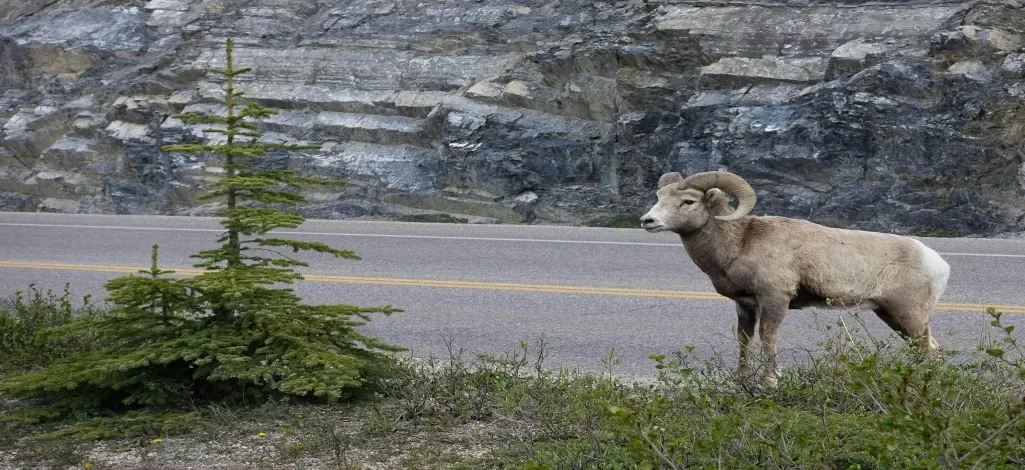
Wildlife safety is vitally important in the Canadian Rockies, and you should ensure that you keep a safe distance from any animal you see while visiting the region.
It’s important that humans also avoid startling an animal. If you cause an animal to move, you’ve come too close. Other important rules to remember include:
- Never approach or feed wildlife
- Drive slowly and carefully, especially at night, as wildlife may attempt to cross roads
- Bring bear spray on any hikes and make lots of noise on the trails so that bears know you are coming and don’t get startled
Wildlife Photography Tips
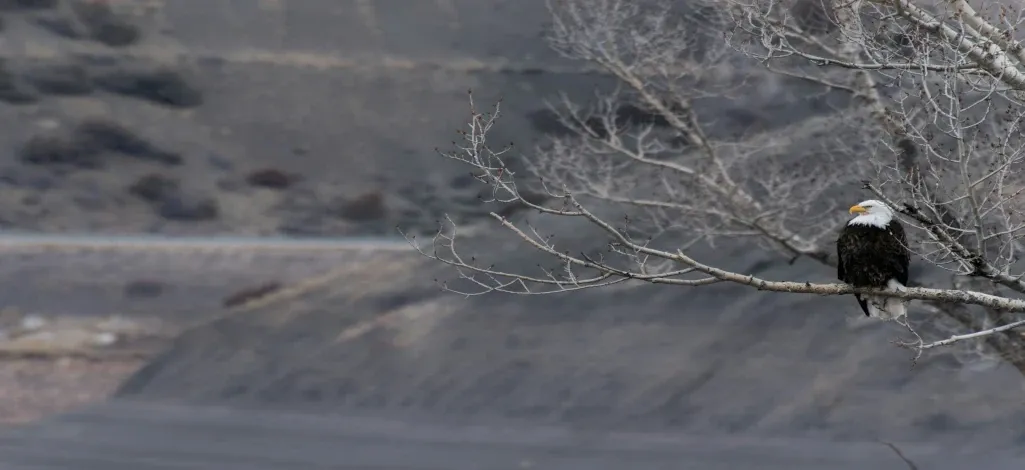
Once they’ve figured out where to see wildlife in Canmore and Banff, many visitors will want to capture their bucket list encounters with their cameras. With the stunning Canadian Rockies as the backdrop, any visit to the area offers a chance to take some genuinely incredible photos. There are several key things to keep in mind:
- It’s still important to keep a safe distance. Use zoom lenses or binoculars instead of getting too close to animals for your picture.
- Wildlife is typically most active at dawn and dusk, and fortunately, those are the times of day when the lighting is best for photography.
- Don’t chase wildlife when you see it. Even if you don’t get the shot you want, stay patient instead of disturbing wild animals.
- If you see wildlife while driving and want to stop, pull off respectfully or go to a designated viewing area instead of slamming on the brakes. That can startle animals and is dangerous for yourself and other drivers.
Pairing Wildlife Watching with Other Fall Activities
Seeing wildlife can be exhilarating, but it doesn’t need to be the sole focus of your visit to the Canadian Rockies. There’s a lot to do in the fall in Canmore and Banff, from stunning hikes to seeking out golden larches to shopping downtown or checking out fall festivals.
Whether you’re looking to get active or hoping for a more relaxed trip, wildlife viewing can be integrated into any fall itinerary for a visit to Canmore and Banff.
Base Your Fall Wildlife Trip at the Coast Canmore Hotel & Conference Centre
If your goal is to see wildlife during your visit to the Canadian Rockies, staying at the Coast Canmore Hotel & Conference Centre puts you near all of the best wildlife viewing routes in the Bow Valley, from Banff to Kananaskis.
Book your fall trip to Canmore today.
FAQ
1. What animals are most active in the Canadian Rockies in the fall?
Bears, elk, deer, mountain goats and bighorn sheep are all active in the region in September and October, while migratory birds are common, as well.
2. Is fall a good time to see bears in Banff and Canmore?
Yes. Fall might actually be the best time to see bears in Banff and Canmore because they are preparing for their winter hibernation. That means they will often come down to lower elevations where there are still berries.
3. When is elk rutting season in the Canadian Rockies?
Elk rutting season begins in late August and goes until the middle of October. During this time, males can be more aggressive than normal, so it’s very important to keep a safe distance.
4. Where can I see wildlife near Canmore without hiking?
Canmore has a large herd of Elk which moves around the town site from Three Sisters to by the River downtown. There is also a lot of wildlife you can see along the sides of roads throughout Banff National Park and the Kananaskis region. Highway 40 and the Bow Valley Parkway are both great for driving and spotting wildlife.
5. How close is too close when viewing wildlife in the Rockies?
Parks Canada recommends you stay at least 30 metres away from deer, elk, sheep and moose and 100 metres from bears, wolves, cougars and coyotes.