





Canmore’s Elevation: What Visitors Notice (& How to Feel Your Best When You’re Here)
When most people visit Canmore, elevation isn’t a huge concern. Sitting at 1,309 metres above sea level, walking around in beautiful downtown or along Policeman’s Creek Boardwalk generally won’t present any problems. But even active visitors may notice that the air is a little thinner than they’re used to, especially if they’re from places closer to sea level than Canmore.
While Canmore’s elevation isn’t something you should worry about, you can still prepare yourself so there are no surprises.
Key Takeaways
- Canmore sits at 1,309 metres above sea level, noticeable for visitors from lower elevations, but not high enough to cause serious altitude sickness for most people.
- Common effects include mild shortness of breath, faster dehydration, and minor sleep disruptions, especially on your first night.
- Staying hydrated, eating well, getting enough sleep, and giving yourself time to acclimatize will help you feel your best.
- If you plan to hike surrounding peaks like Ha Ling (2,407 m) or Mount Lady MacDonald (2,606 m), elevation will be a much bigger factor than in town.
- Knowing your limits and easing into activity when you first arrive can make a significant difference in how you feel throughout your trip.
- Staying somewhere comfortable and centrally located like the Coast Canmore Hotel & Conference Centre gives you the rest and recovery base you need to make the most of your visit.
What Is Canmore’s Elevation?
Canmore sits at 1,309 metres above sea level, and while that’s not high enough for most people to feel the more serious health effects that come with much higher elevations. Visitors from lower elevations will notice the dry, thin air that comes with Canmore’s elevation.
It’s worth noting, too, that for visitors who are looking to hike or climb in the mountains that surround Canmore, the elevation rises quickly. The peak of Mount Lady MacDonald has an altitude of 2,606 metres, while Ha Ling Peak is at 2,407 metres. Anyone who plans on hiking to those summits should be prepared, as they’ll almost certainly be impacted by Canmore’s elevation at those heights.
How Canmore’s Elevation Can Affect Visitors
The further we get from sea level, the less oxygen there is in the air. While Canmore’s elevation doesn’t present serious health risks, it is still noticeable for many visitors when they are coming from lower altitudes. Most high-altitude illnesses don’t become a worry until 2,000 metres above sea level, and Canmore is only at 1,309 meters, but especially if you’re planning on hiking up the surrounding mountains, it’s worth knowing how the altitude may affect you.
- Shortness of breath: Even the most fit people may notice that the air is thinner and feel winded or out of breath much more quickly at the elevation in Canmore than at home. This is particularly true during strenuous activities like hiking, mountain biking, or climbing, but some visitors will find themselves short of breath because of Canmore's elevation, even when they’re just walking around.
- Trouble sleeping: The thin air at Canmore's elevation can affect some people’s sleep, especially on the first night after they arrive in the Canadian Rockies. Because there’s less oxygen in the air, your body may adjust by breathing more quickly while you sleep, causing disruptions.
- Dehydration: Canmore’s dry mountain air can cause people to become dehydrated more quickly than they're used to, especially if they’re exercising. That makes it important to drink water regularly throughout the day.
- Dizziness: This can be a symptom of dehydration, but having less energy or even feeling dizzy during challenging exercise is something that should be taken seriously.
How to Feel Your Best in Canmore’s Elevation

The good news is that there are lots of little things you can do that will make a big difference in dealing with the Canmore elevation. The altitude shouldn’t scare anyone off from visiting, but there are a few ways you can make sure you feel your best when you do.
1. Drink Lots of Water
Staying hydrated is important no matter where you are, but when you factor in the dry air and elevation in Canmore, Canada, it’s especially vital. The dry mountain air can dehydrate people much more quickly in Canmore than in other places.
The tap water in Canmore is safe to drink, so you don’t need to buy bottled water everywhere you go, but it can be smart to bring your own reusable bottle with you so you can take sips and stay hydrated throughout the day.
2. Give Yourself Time to Adjust
Canmore is an international destination for outdoor adventure, and the stunning mountain scenery can inspire some visitors to drop their bags off at the hotel and head straight to the trails. This isn’t always the best idea, though, and allowing yourself a little time to adjust to the Canmore elevation can help you avoid feeling its effects.
Giving yourself a day or even just an evening for your body to acclimate to the Canmore altitude can be a big difference. Instead of just hiking up a mountain as soon as you arrive, you could start with an easier hike, try out one of Canmore’s great restaurants or coffee shops or go for a dip in the Coast Canmore Hotel & Conference Centre’s indoor pool.
3. Eat Healthy
A balanced diet is always important, but especially if you’re planning on being physically active somewhere with Canmore’s elevation.
Restaurants like TABLE Food + Drink provide healthy options that will keep you well-fuelled on your trip. If you’re planning to go on hikes, whether long or short, picking up snacks is a great way to keep your energy levels up at the elevation of Canmore.
4. Get Lots of Sleep
This goes without saying, but rest and recovery are essential if you’re planning a physically challenging trip in the Rocky Mountains. While the Canmore elevation can disrupt sleep patterns right when you arrive, having a comfortable hotel room and cozy bed will definitely help.
Staying at the Coast Canmore Hotel & Conference Centre gives you a safe, quiet and conveniently located home base in town so you can easily explore everything the town and surrounding mountains have to offer while being able to get all the rest you need to stay energized.
5. Be Honest About What You Can Achieve
Knowing the answer to “What is the elevation in Canmore?” can help you plan a safe trip. Hiking up a mountain is hard work, and even the fittest people need to be aware of how Canmore’s altitude will affect their ability to do so.
If you’ve never hiked up to a mountain summit before, there are beginner-friendly, incredible hikes with stunning views that you may be better equipped to complete. When you account for your own abilities and how they might be affected by the elevation of Canmore, you can be better prepared.
Book Your Next Trip at the Coast Canmore Hotel & Conference Centre
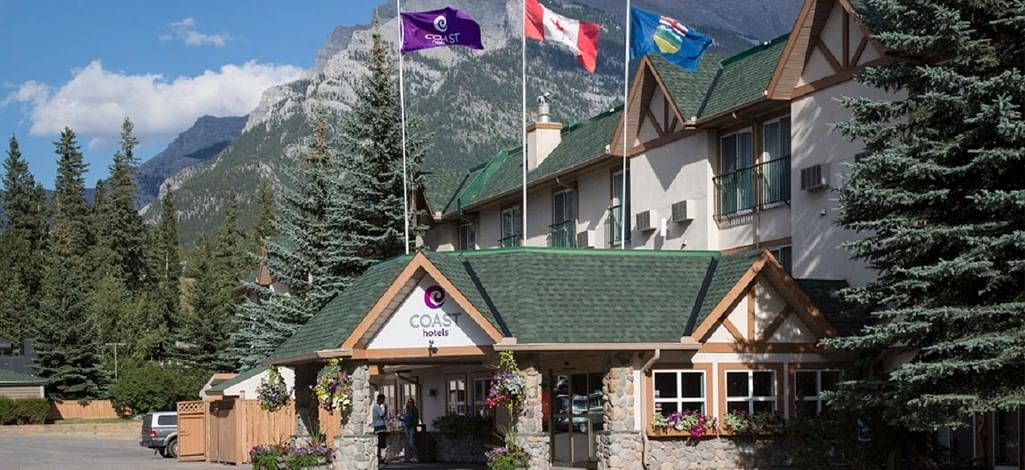
Canmore’s elevation likely won’t cause problems for most people. You might find yourself out of breath in situations where you wouldn’t be if you were at home, but the worst symptoms caused by altitude sickness at higher elevations likely will not be a concern.
Preparing for Canmore’s elevation and booking a comfortable room at a conveniently located hotel like the Coast Canmore Hotel & Conference Centre means you’ll have a comfortable and convenient trip to the Rocky Mountains.
Book your stay with us today.
FAQs About Canmore’s Elevation
When is the best time to go hiking in Canmore?
Summer is the most popular season since trails are snow-free and accessible, but spring and fall offer cooler temperatures and fewer crowds. Winter hiking is also possible with the right gear, though avalanche awareness is essential.
Is altitude sickness a concern in Canmore?
For most visitors, no. Serious altitude sickness symptoms typically don't occur below 2,000 metres, and Canmore sits at 1,309 metres. You may notice the thinner, drier air—especially during physical activity—but it shouldn't be a health concern for the majority of visitors.
How long does it take to acclimatize to Canmore's elevation?
Most visitors adjust within 24 to 48 hours. Spending your first evening relaxing, eating well, and getting a good night's sleep rather than jumping straight into strenuous activity can significantly speed up the process.
What should I pack to manage the elevation in Canmore?
A reusable water bottle is the most important item. Canmore's tap water is safe to drink, and staying hydrated is key. High-energy snacks for hikes and comfortable layers for the mountain weather are also worth bringing.
Can children and older adults handle Canmore's elevation?
Generally, yes, though they may feel the effects of the elevation more noticeably. The same advice applies: stay hydrated, take it easy on the first day, and don't push too hard too soon. If anyone in your group has a heart or respiratory condition, it's worth consulting a doctor before any strenuous hiking.
What's the difference between hiking in Canmore town vs. summiting nearby peaks?
Hiking around town or on lower trails is very manageable at Canmore's elevation. However, peaks like Ha Ling (2,407 m) and Mount Lady MacDonald (2,606 m) are significantly higher and will require more preparation, fitness, and awareness of how altitude affects your body. First-time visitors or those new to mountain hiking may want to start with lower-elevation trails before attempting a summit.